Worcester Arts Council — Project Grant Application
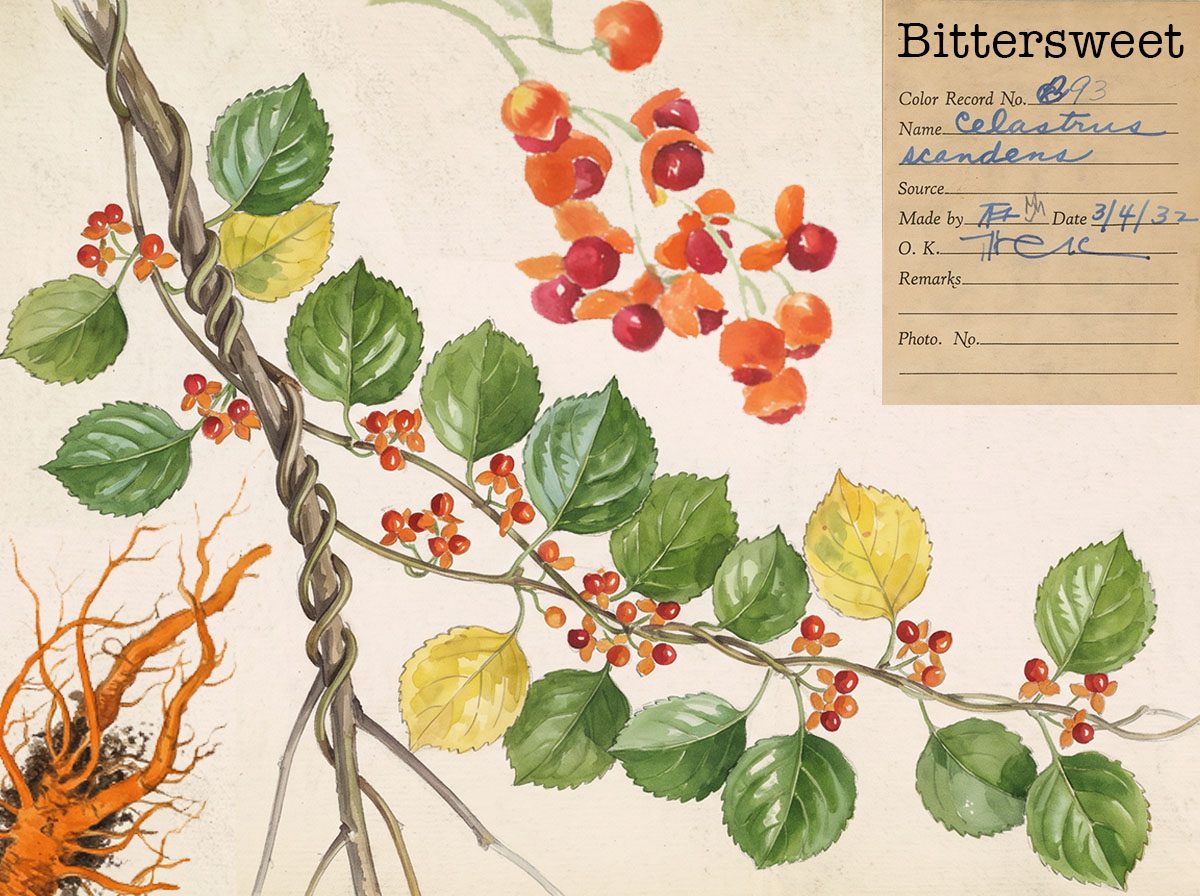
Bittersweet
A live-action sci-fi short film in which a Worcester resident discovers an alien probe that can destroy the planet.
Applicant
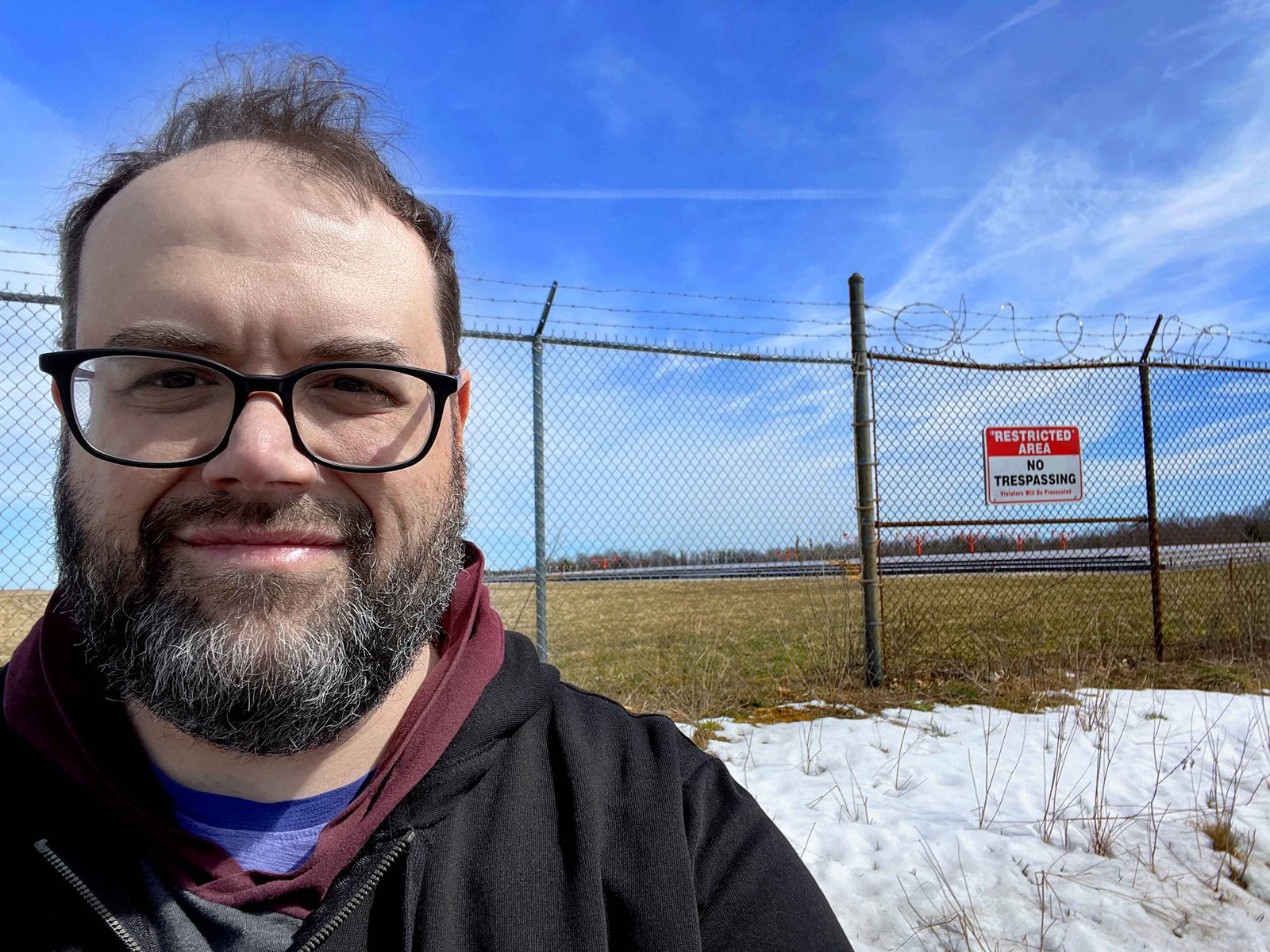
Benjamin Oliver
Address
Worcester, MA
Phone
617.861.7829
Email
benjaminoliver@gmail.com
$5,000Requested from WAC
$12,000Total project cost
$7,000In-kind contribution from the applicant
01
The Story
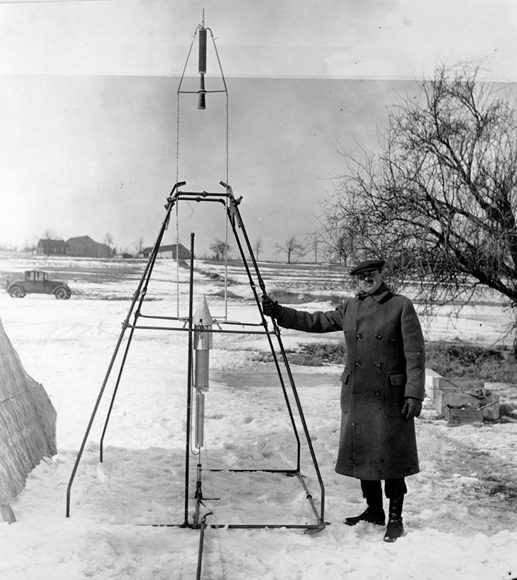
Bittersweet is a story about Henry, a Worcester resident who pulls up a bittersweet vine in his yard and unwittingly wakes an alien probe buried inside of it. The probe has been listening to the city and his family for years, deciding whether humanity is a threat to its homeworld or not. It puts Henry through a series of trials that take him from his own living room to a planet far away, as well as to the most important moment in human history thus far: when Robert Goddard launched his first rocket in 1926.
A note on casting: The characters in this film, unless historically necessary, aren't defined by gender, looks, physical traits, or family structure. The priority is to showcase the immense talent that Worcester's actors, artists, and artisans possess.
The dream-space gallery and its last room. Options include a gallery at the Worcester Art Museum, an arts space in the city such as ArtsWorcester, or an empty downtown office floor dressed as a gallery.
03
Public Benefit & Premiere
A public Worcester screening kicks things off, followed by submissions to short-film and genre festivals to extend the film's reach beyond the city. After festival runs, an online release will open it up to a much wider audience.
Preferred premiere venue
Worcester Art Museum (55 Salisbury Street) — the top choice. WAM doesn't run a dedicated cinema today, but a premiere here would put the film in direct conversation with the museum's own collection and civic standing — exactly the kind of pairing that makes a Worcester story feel like it belongs to the city's cultural institutions, not just its film scene. It's also a natural fit for the film itself: the story ends inside an art gallery, and those paintings are being made by local Worcester artists. Premiering at WAM means their original works can hang alongside the screening, so the audience steps out of the film's gallery and into a real one.
Accessibility. Every screening will include open captions for all dialogue. When the film is released online, it will include translated subtitles and dubbed audio in additional languages, so viewers can watch it in the language they're most comfortable with. The premiere will be free to attend and held in a wheelchair-accessible venue.
04
Alignment with Funding Priorities
The film dramatizes real science and real science history that originated in Worcester, MA: Robert Goddard, the father of modern rocketry, was a Worcester native and Clark University professor whose early experiments led to the first liquid-fueled rocket launch. In the story, Goddard's 1926 launch is the moment the alien probe first takes notice of humanity, which makes Goddard's legacy the reason the story is set here. Presenting that history through narrative science fiction is a form of informal science education, introducing audiences to a significant piece of Worcester's scientific legacy.
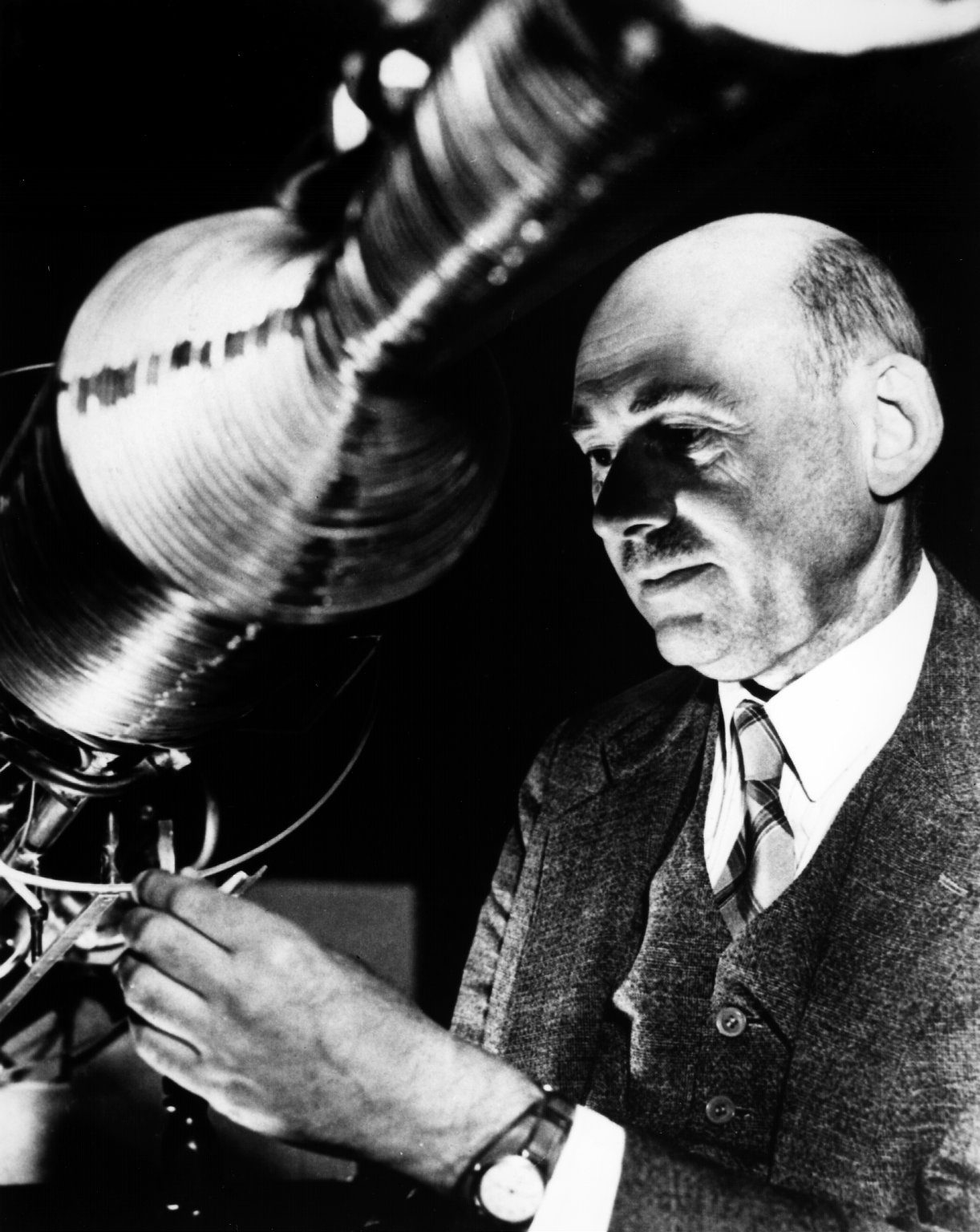
Robert Goddard — concept art
Robert GoddardRobert Goddard
Public Art. A completed short film, publicly screened in Worcester, is itself a public artwork — one that puts the city's own scientific history and real locations on screen for its audience.
Civic recognition of Worcester's rocketry legacy. Worcester is where rocketry actually began. A film that puts Worcester's role in that history on screen makes a public case for the importance of Worcester not just for the state and the country, but for the world itself.
Arts and science education. Beyond the premiere, I'll bring the film to Worcester's schools and cultural institutions, starting with South High Community School, where Robert Goddard himself was a student. At South High I'll run a free workshop. We'll screen the finished film, followed by a talk on science versus science fiction: how to set rules for a story that can be fantastical but still grounded in real physics, and how to expand on real science without breaking it, using Goddard's own work in their city as the example. I'll offer similar screenings with a Q&A at other Worcester high schools, at Clark University, where Goddard taught, and at Worcester museums. I'm open to any school or organization that wants to host one. I'll also pursue a longer-term home for the film: a room where it screens on a regular loop, at the Worcester Art Museum, the Worcester Historical Museum, or a similar institution, so visitors can keep discovering the city's rocketry history long after the premiere.
Diversity, equity, inclusion, and access. Casting is open to any Worcester actor, regardless of gender, age, background, or family structure; the only goal is the strongest performances possible. With captions and dubbed audio in multiple languages, the film is also built to reach Worcester residents whose first language isn't English.
Public benefit to local artists and artisans. The production will cast local actors and pay them for their work, giving local Worcester creatives paid work in the city they live in.
A gallery of local work. The film's dream sequence takes place in an art gallery, and its paintings will be made by local Worcester artists. After the premiere, the paintings and the film will be shown together as an installation somewhere in Worcester, ideally in the same space where the gallery scenes are filmed, so the artwork has a life beyond the screen.
The film also functions as a proof of concept for a feature film I want to make, also set in Worcester, about rocketry, space, AI, and our shared futures. A successful short strengthens the case for future funding to bring that larger project to a real screen, extending WAC's investment in Worcester's creative and scientific identity — real films made here, real stories told here, that will resonate with audiences well beyond a single grant cycle.
05
Budget
What the grant pays for. I own all of the camera, sound, and lighting equipment this production needs, along with all of the editing equipment and my own post-production studio. I'll direct, shoot, edit, and produce the film myself, at no cost to the grant. That means every dollar of WAC funding goes directly into the film itself: paying Worcester actors, building the props, insuring the shoot, and bringing an audience to the premiere.
Item
Details
Days
Value
From WAC
Producer / Director / Writer
Benjamin Oliver
flat
$3,000
in-kind
Camera
Camera package
5
$1,000
in-kind
Sound
Sound recording kit
5
$500
in-kind
Lighting
Lighting package
5
$500
in-kind
Editing
Picture edit
flat
$1,000
in-kind
Color correction
Final color grade
flat
$500
in-kind
Sound design
Sound design and final mix
flat
$500
in-kind
Lead actor
Worcester-based actor
5
$1,500
$1,500
Supporting actor
Worcester-based actor
1
$300
$300
Supporting actor
Worcester-based actor, half day
½
$150
$150
Supporting actor
Worcester-based actor, half day
½
$150
$150
Props
Rocket, alien drone, and other props
flat
$1,000
$1,000
Wardrobe
Costumes
flat
$500
$500
Set decoration
Set dressing for locations
flat
$500
$500
Social media
Screening promotion
flat
$250
$250
Print
Flyers and posters
flat
$150
$150
Radio
Local radio spots
flat
$100
$100
Insurance
Production liability insurance for the shoot
flat
$400
$400
Total
$12,000
$5,000
In-kind contributions: $7,000. Requested from WAC: $5,000.
If partially funded. Grant funds go first to paying the cast. If the award is smaller than requested, I'll cover the difference myself and seek additional funding from other sources as needed.
06
Marketing & Distribution
The film's release begins with a public premiere screening at a Worcester venue, promoted through targeted social media advertising and direct outreach to local press and Worcester's arts and science communities, including Clark University and any Goddard-legacy institutions. From there, the film goes out to short-film and science-fiction festivals to build reach beyond the city. Once festival submissions run their course, the finished film is released publicly online and hosted on the applicant's professional portfolio site, giving it a lasting, freely accessible home rather than a one-time screening.
07
About the Filmmaker
I’ve loved science fiction and filmmaking since I was about six, when my parents taped Ewoks: The Battle for Endor off TV. I wore that VHS tape out. It led me to Star Trek, Star Wars, Carl Sagan, Stanley Kubrick, and a whole universe of films and filmmakers. In 2000 I left community college to study at Vancouver Film School in British Columbia.
I bring over 25 years of experience in film production and post-production. I've run my own production company for over 25 years, working across documentary, corporate, television, and narrative productions. I currently edit episodes of StarTalk, Neil deGrasse Tyson's science YouTube channel. In the past two years, the content I've edited for the channel has drawn over 41 million views.